Programs Offered
- B.Tech in Computer Engineering
- M.Tech in Computer Science and Engineering
- Ph.D in Computer Engineering
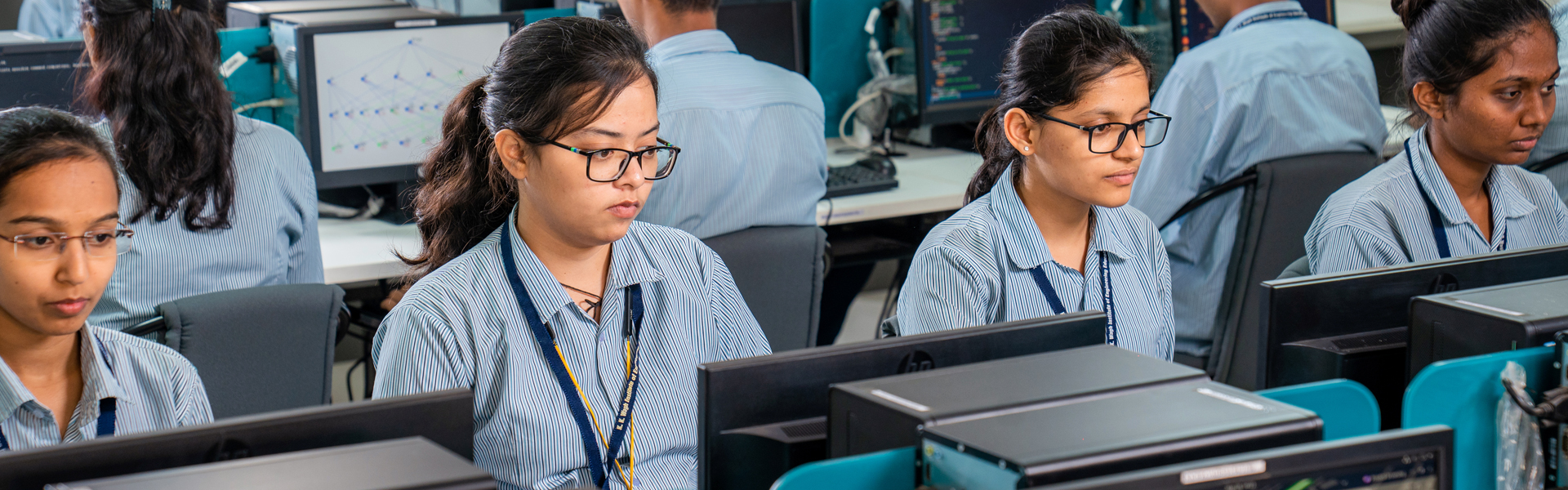
Computer Engineering is a subject that combines science and technology. It helps students design, create, and maintain computer components. The department imparts knowledge and inculcates skills by nurturing a comprehensive learning environment. Students enrolling in these courses learn engineering principles through practical exposure to real-world challenges. The department helps students with mentorship and guidance through educational, research, or career pursuits. The department inculcates professional skills and ethics making them the right choice for the best computer engineering colleges in Maharashtra.

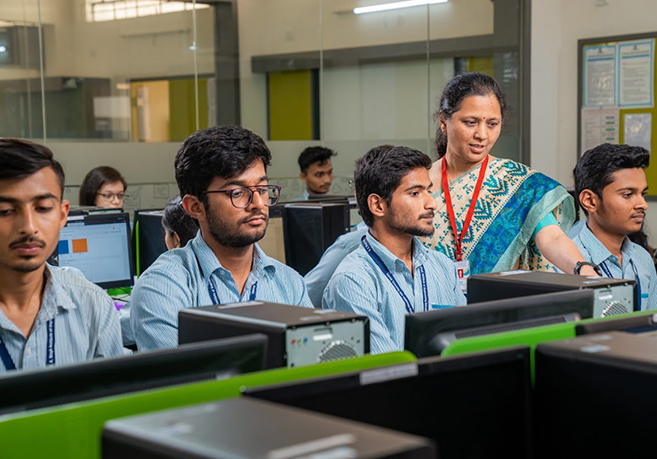
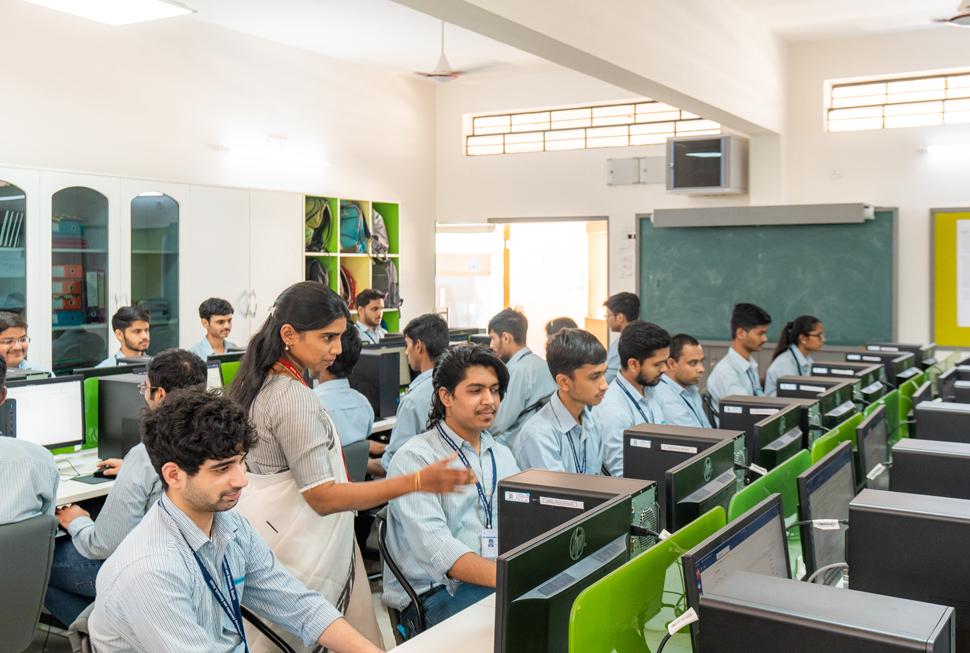
To be a valuable resource for industry and society through quality education and research in Computer Engineering
To develop core competencies in the field of Computer Engineering.
To inculcate professional skills and ethics
To develop an ability to conduct research
Provide solutions using appropriate data structure and efficient algorithms
Apply standard practices and strategies to design and develop computer-based systems
Engineering knowledge: Being a reputed name among the Computer Engineering Colleges in Nashik, we encourage students to apply their knowledge of mathematics, science, engineering fundamentals, and an engineering specialization for the solution of complex engineering problems.
Problem analysis: Identify, formulate, research literature, and analyse complex engineering problems reaching substantiated conclusions using first principles of mathematics, natural sciences, and engineering sciences.
Design/development of solutions: Design solutions for complex engineering problems and design system components or processes that meet the specified needs with appropriate consideration for public health and safety, and cultural, societal, and environmental considerations.
Conduct investigations of complex problems: Use research based knowledge and research methods including design of experiments, analysis & interpretation of data and synthesis of the information to provide valid conclusions.
Modern tool usage: Create, select, and apply appropriate techniques, resources, and modern engineering and IT tools, including prediction and modelling to complex engineering activities, with an understanding of the limitations.
The engineer and society: Apply reasoning informed by the contextual knowledge to assess societal, health, safety, legal, and cultural issues and the consequent responsibilities relevant to the professional engineering practice.
Environment and sustainability: Understand the impact of the professional engineering solutions in societal and environmental contexts, and demonstrate the knowledge of, and need for sustainable development.
Ethics: As one of the best Computer Engineering Colleges in Nashik, we inspire students to apply ethical principles and commit to professional ethics and responsibilities and norms of the engineering practice.
Individual and team work: Function effectively as an individual, and as member or leader in diverse teams, and in multidisciplinary settings.
Communication: Communicate effectively on complex engineering activities with the engineering community and with t h e society at large, such as, being able to comprehend and write effective reports and design documentation, make effective presentations, and give and receive clear instructions.
Project management and finance: Demonstrate knowledge and understanding of the engineering and management principles and apply these to one’s own work, as a member and leader in a team, to manage projects and in multidisciplinary environments.
Life-long learning: Recognize the need for, and have the preparation and ability to engage in independent and life-long learning in the broadest context of technological change.














At KKWIEER, learning goes beyond textbooks. The hands-on experience in well-equipped labs and innovation centers makes concepts come alive, while the focus on research pushes us to think beyond limits. The vibrant campus life—tech clubs, cultural events, and sports—keeps things exciting. With great facilities and a supportive environment, KKWIEER isn’t just a college; it’s a place that’s shaping my journey in the best way possible.

K.K. Wagh isn’t just a college—it’s a launchpad for dreams. From cutting-edge projects to thought-provoking discussions, every day here fuels my passion for learning. The faculty doesn’t just teach; they inspire. The campus isn’t just a space; it’s a thriving ecosystem of innovation and friendships. This journey is more than education—it’s transformation, and I’m proud to be part of it!



“KKWIEER is really a one of the best institutes in Maharashtra in terms of professional and personal growth. K.K.Wagh institute has great teaching staff as well as well trained lab professionals for giving students practical knowledge. Training and Placement Cell of college has great interaction with Industries ,hence it is beneficial in industrial knowledge for students through various seminars, webinars, etc and also during placements.”
“Great college for cs/it as well as non-it branches of engineering. The courses are designed as per the industry requirements and teaching follows the industry standards. Teaching faculty actively engages with students and are constantly trying to find innovative ways to promote e-learning (mkcl supercampus, learnico, etc.). Lots of placement opportunities in companies like tcs, infosys, wipro, nvidia, persistent, cognizant and many more.”
“Every student gets good placement in well reputed and renowned companies. The curriculum was excellent. We have faculties, who are very educated, knowledgeable and experienced. They are very helpful and understandable.”

“KKWIEER is the best college in Nashik . The infrastructure of the college is tremendous with great facilities and good faculty. The college gives us many opportunities to showcase our talents and many more things. Education having here is the best thing of my life. “

Having heard of the thriving and supportive, people and environment which college nurtures, I experienced it firsthand within the college

Faculty members at K K Wagh College of Engineering extend their support beyond research and projects in Data Structure and Algorithms
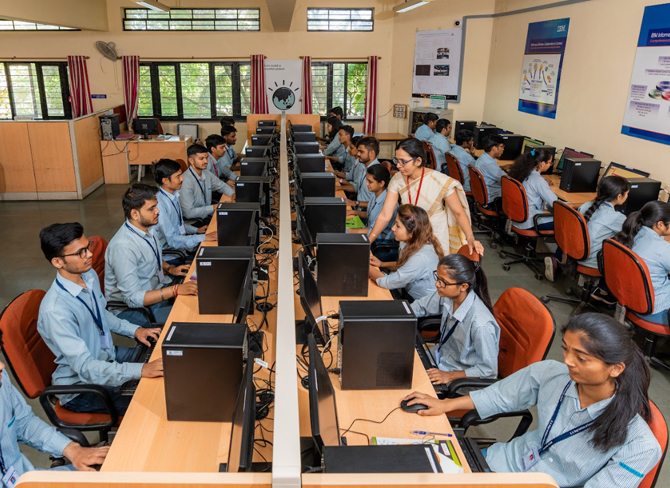
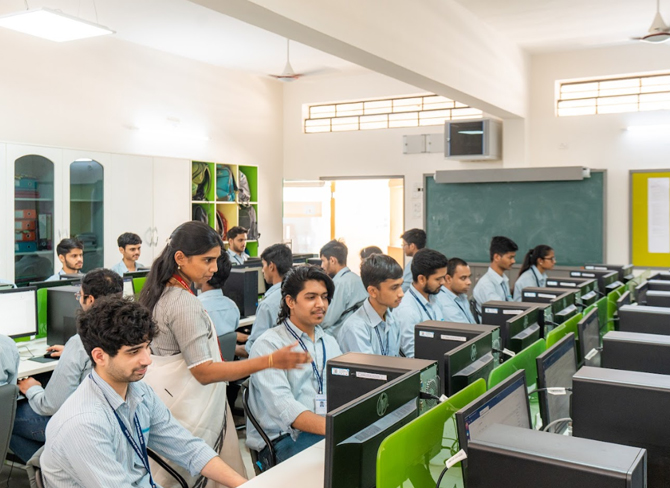
The college is equipped with modern infrastructure and facilities, including well-equipped labs, a library and a campus that supports various co-curricular and extracurricular activities

I am a student of the 2024 batch of Computer Science at K.K. Wagh College. I have been very impressed with the quality of education and support that I have received here. The faculty is highly qualified and experienced, and they are always willing to go the extra mile to help students succeed. The curriculum is well-designed and covers all of the latest trends in computer science. The college also has excellent facilities, including state-of-the-art computer labs and a well-stocked library. I am grateful for the opportunity to study at K.K. Wagh College, and I highly recommend it to any student who is interested in pursuing a career in computer science.

As an Engineering student at KKWIEER I am proud to be a part of an institution that fosters innovation, excellence, and personal growth. Throughout my academic journey, I have been inspired by our dedicated faculty, state-of-the-art facilities, and a vibrant community of fellow students. KKWIEER has not only equipped me with an excellent education but also instilled in me a sense of purpose and the confidence to tackle real-world challenges. I am truly grateful for the enriching experiences and opportunities this college has provided.

K K Wagh College is a fantastic place for future engineers. With awesome teachers, cool labs, and lots of learning, it's a top spot for studying. The college is big on research and innovation, making sure students are ready for exciting engineering careers. It's where smart minds come to shine.

K. K. Wagh Institute gave me exposure beyond academics, enriching my skills with practical knowledge and industry insights. Glad to be a part of this institution!

K.K. Wagh Institute of Engineering Education and Research, Nashik, is where learning meets innovation, shaping us into future-ready engineers. With supportive faculty and hands-on experience, it's more than a college, it's a journey of growth and possibilities.

Hirabai Haridas Vidyanagari, Amrutdham, Panchavati, Nashik – 422003



 Chat
Now
Chat
Now